How to Choose Perfume for Indian Weather
Choose perfume for Indian weather by matching the exact day, setting and scent profile, then testing the fragrance in a normal routine instead of relying on a universal seasonal rule.
Oudrix Editorial · · 5 min read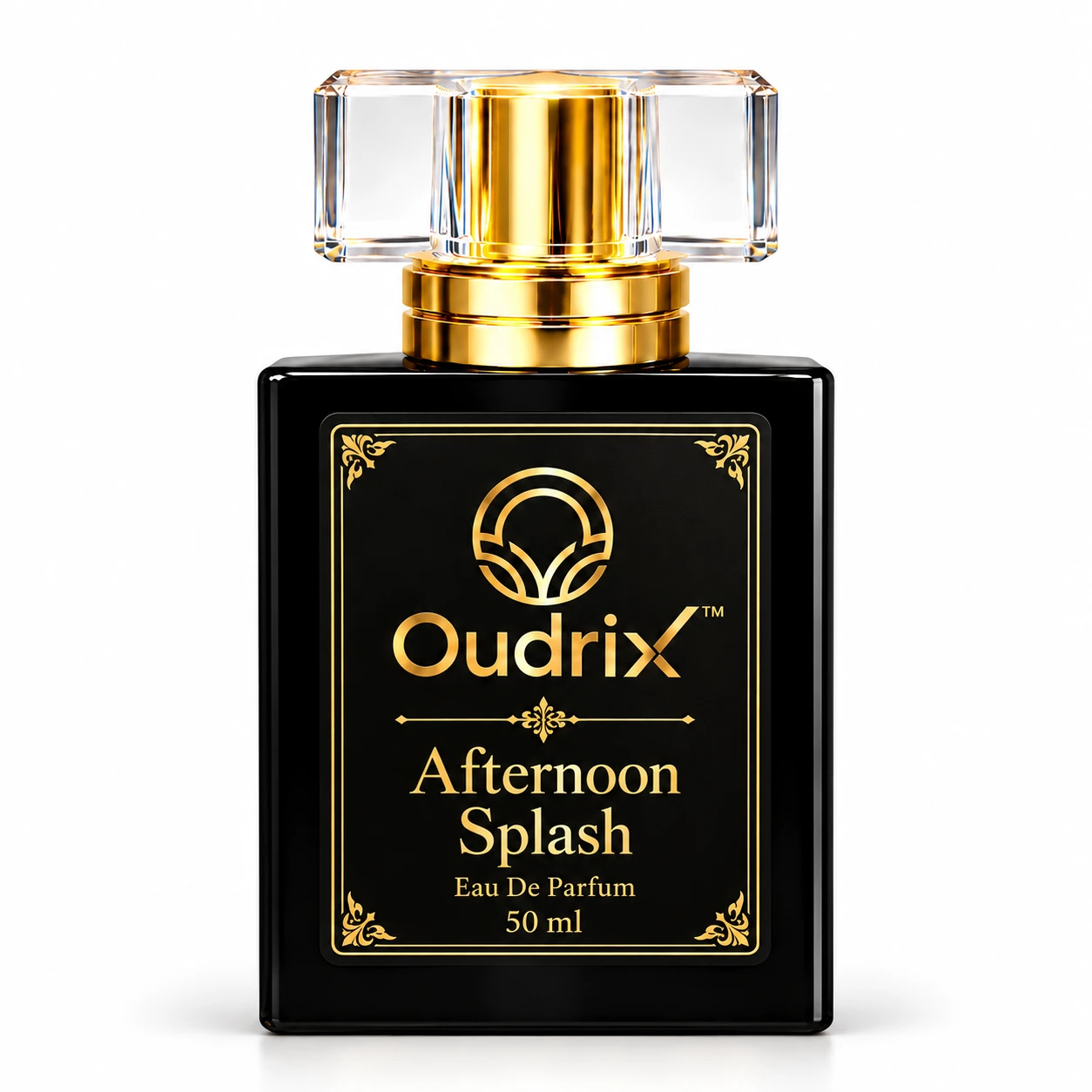
To choose a perfume for Indian weather, start with the conditions and setting in which you will actually wear it: a dry hot commute, humid outdoor day, air-conditioned office, monsoon evening or cooler celebration. Then shortlist two contrasting scent profiles and test the exact perfumes in that routine. Fresh or citrus styles can be useful starting points for warm daytime wear, while warmer or deeper profiles may appeal for evenings, but weather is a filter—not a rule or a performance guarantee.
Start with your city and your day
India does not present one identical wearing condition. The India Meteorological Department publishes heat guidance alongside location- and month-specific temperature and relative-humidity information. That is a good reminder to use your real day rather than a generic “Indian summer” label. Jaipur's hot, dry afternoon and a humid coastal commute are different shopping briefs, as are an outdoor wedding and an air-conditioned desk.
Write a one-line brief before browsing: “weekday commute plus office,” “outdoor afternoon,” or “cooler evening function.” Diptyque's official selection guidance similarly frames perfume choice around the moment, occasion, desired trail and sensation. The question is not which family is universally best; it is which perfume you enjoy in the setting you have.
Build a two-profile shortlist
For a hot daytime starting point, compare a fresh, citrus or light floral description with one familiar alternative. Jo Malone London's summer guide groups citrus, fruity and light-floral directions among its seasonal choices, but that curation applies to its products and should not be turned into a law for every formula. Oud, amber, woody and gourmand perfumes are not forbidden by temperature; they simply deserve the same setting-specific test.
Oudrix shoppers can compare the listed notes in the Citrus perfume guide before browsing the current fragrance collections. Afternoon Splash, for example, is listed as a 50 ml Citrus Eau de Parfum with mandarin, orange and bergamot in its profile. That description helps place it on a shortlist; it does not verify longevity, heat performance or a universally refreshing effect.
Your second candidate should answer a useful question. If you usually prefer woods, compare a woody profile rather than forcing yourself to buy citrus. If you want a scent for both commute and dinner, test whether one candidate remains enjoyable across those moments instead of assuming a higher concentration solves every need. The EDP vs EDT guide explains why concentration labels alone do not predict your complete experience.
Test in a normal Indian routine
Diptyque recommends trying perfume on skin and testing it as you would normally wear it so you can follow its evolution and trail. Begin on labelled blotters when narrowing several choices, then wear one finalist where its product directions permit. Use an ordinary day with the commute, indoor time and activity that matter to you.
Keep a small decision note: Did I enjoy the opening? Did I still enjoy the later scent? Was it appropriate around other people? Would I choose it again for this setting? The Oudrix testing guide gives a fuller blotter-to-skin sequence. A discovery format can make comparison easier; check the named contents and current details of the Fresh Everyday Discovery Set rather than assuming every sample pack includes the same perfumes.
Do not compensate for uncertainty by automatically adding more sprays. Application should follow the product label and suit the shared space. An office, classroom, taxi or flight calls for consideration of nearby people, regardless of the fragrance family.
Separate wearing weather from bottle storage
Choosing a scent for a warm day does not mean storing its bottle in warmth. CHANEL identifies heat, air and light as enemies of perfume quality and recommends keeping the bottle tightly closed and away from heat and excessive light. Keep perfume out of a parked car, sunny window and steamy bathroom; read the Indian-weather perfume storage guide for a practical home checklist.
A simple decision guide
Choose the fresh or citrus candidate if you enjoy it after the opening and it fits your daytime setting. Choose the warmer or deeper candidate if it remains comfortable and appropriate in the actual routine you tested. Keep both roles separate if one works better for daytime and the other for evenings. Delay the full bottle if neither passes your ordinary-day test.
Frequently asked questions
## Is citrus perfume always best for hot weather? No. Citrus is a useful starting family, not a universal winner. Test the complete perfume, because supporting notes and the overall formula shape the result.
Should I buy EDP for Indian weather because it is stronger?
Not on that assumption alone. EDP and EDT labels describe concentration conventions, but they do not guarantee identical longevity or projection across formulas. Compare the exact fragrances.
Can I wear oud or gourmand perfume in summer?
Yes, if you enjoy the tested perfume in the intended setting. Start considerately in shared spaces and do not treat a family name as a fixed spray-count instruction.
Should perfume stay in the refrigerator during summer?
Not as a default. Follow the brand's storage directions; a consistently cool, dry, dark place with the bottle tightly closed is the practical starting point.
Find your own fragrance story
Explore fragrance families and discover a profile you enjoy.
Find your scent → Explore fragrances