How to Choose a Floral Perfume Without Guessing
Choose a floral perfume by deciding which supporting direction you enjoy, comparing the full note list and testing the exact fragrance rather than the word floral alone.
Oudrix Editorial · · 4 min read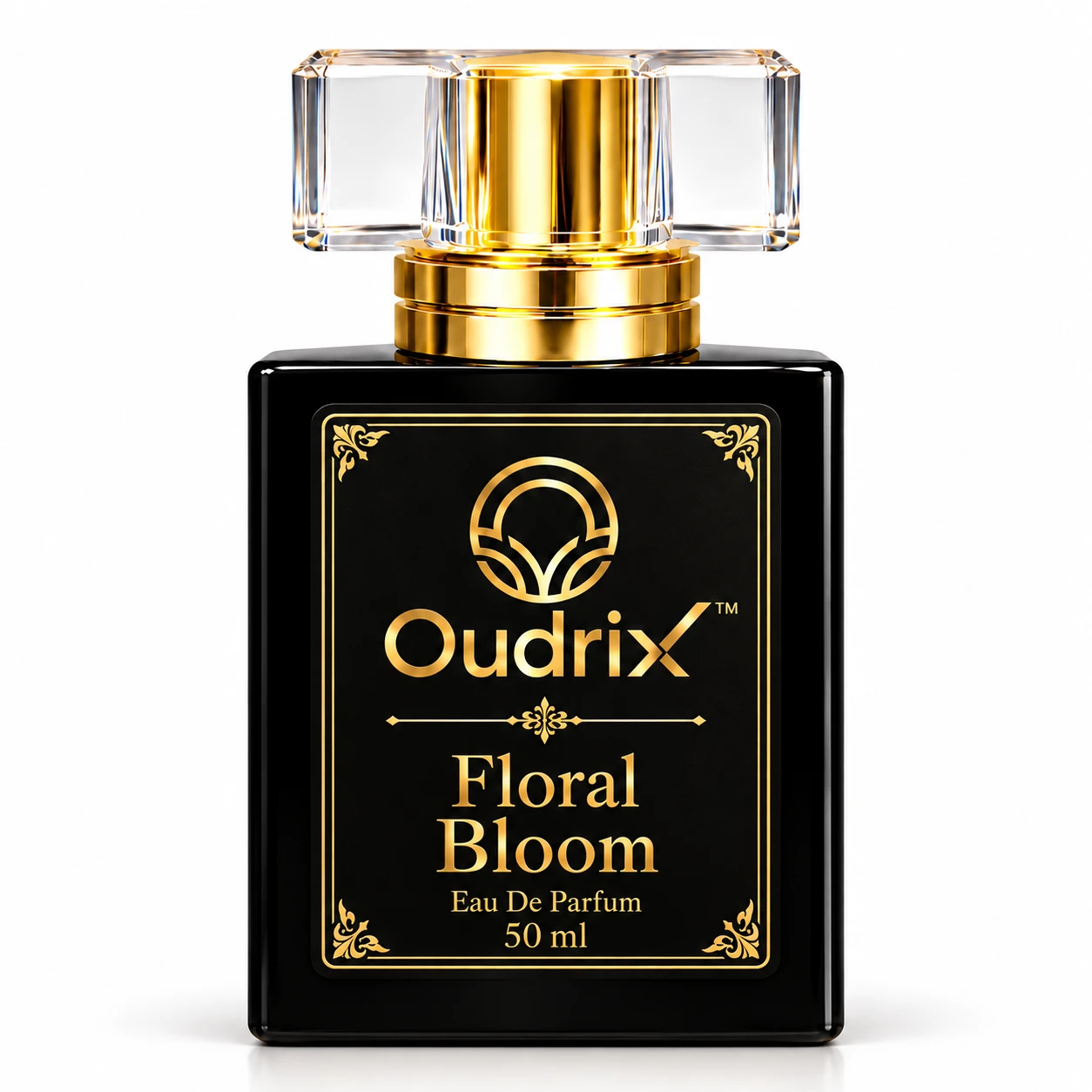
To choose a floral perfume, do not start by asking whether you like flowers in general. Decide whether you want the flowers to feel fresh, fruity, warm, sweet, green or woody; compare the complete note list; then test the exact fragrance. Two bottles labelled floral can give very different impressions because the surrounding notes and their balance matter.
Floral is a family, not one smell
Fragrance families group perfumes by shared olfactory characteristics. Estée Lauder's fragrance guide separates fresh and fruity florals, rich florals and amber florals, while The Perfume Society lists styles including single-flower, bouquet, white, green, fruity, fresh and musk florals. The labels are useful maps, but different brands may classify the same territory differently.
This is why a shopper who dislikes one dense floral should not assume every floral perfume will feel the same. Guerlain's Bloom of Rose, for example, combines rose with lavender, jasmine, vanilla, sandalwood and neroli. The official description shows how one named flower sits inside a wider composition rather than acting as the whole fragrance.
Choose the supporting direction first
Use a simple preference question to build your shortlist. If you enjoy bright fruit, look at floral-fruity descriptions. If you prefer warmth, compare amber-floral or floral-woody profiles. If you want the flower to stay central, a bouquet or a simpler flower-led description may be a clearer starting point. These are browsing directions, not guarantees of sweetness, strength, season or wear time.
The current Oudrix floral collection demonstrates the range. Floral Bloom lists jasmine, tuberose and Rangoon creeper; Madly Yours places peony and jasmine beside berries, vanilla musk, patchouli and amber; Libre Aura combines lavender, orange blossom and jasmine with citrus, vanilla, musk and cedar. Those are note descriptions, not complete ingredient declarations or performance promises.
A practical comparison is to write one sentence for each option: “flower-led white bouquet,” “fruit plus flowers,” or “aromatic floral with a warm base.” Eliminate the direction you already know you do not want. That gives you a manageable shortlist without pretending the words can replace smelling.
Read the whole note structure
A floral heart can open with citrus or fruit and settle into woods, musk, vanilla or amber-style notes. Read top, heart and base descriptions together. The perfume-notes guide explains what those stages mean and why a note list is a map rather than a timed formula.
Also separate notes from ingredients. A product page may describe jasmine or rose as part of the smell while the legally required ingredient list serves a different purpose. Check the final pack if an ingredient or allergen matters to you; do not infer the formula from a flower name or product image.
Test the shortlist for your real setting
Narrow several candidates on paper blotters, then wear one finalist at a time according to its label. A normal day tells you more about your preference than choosing only from a fresh opening at a counter. Use the structured perfume-testing method to record the opening, later impression and whether you would choose the scent again.
For an air-conditioned office, crowded commute or wedding venue, judge the exact perfume in a comparable setting. Do not assume fresh floral always means quiet or white floral always means strong. Formula, application and surroundings vary, and a family label cannot guarantee projection or longevity.
A three-question buying decision
Before buying, ask: Do I enjoy the supporting direction as well as the named flower? Do I still like the perfume after the opening? Does the bottle size and current checkout total suit how often I expect to wear it? If one answer is uncertain, keep sampling instead of using gender, season or popularity as a shortcut.
Frequently asked questions
## Are all floral perfumes sweet? No. Floral descriptions can be paired with citrus, fruit, green, woody, aromatic, musky or warm notes. Read the full composition and test the fragrance rather than treating floral as a sweetness level.
Is a floral perfume only for women?
No scent preference requires a gender rule. Store categories can help with browsing, but the useful decision is whether you enjoy the actual perfume and its setting.
What is a white floral perfume?
It is a descriptive style commonly associated with flower notes such as jasmine, tuberose, gardenia or orange blossom. The term does not reveal the complete formula, strength or suitability for you.
Can I choose a floral perfume online?
You can build a shortlist from family, notes, format and pack details. When possible, use a sample or discovery format before committing to a full bottle, then confirm the exact product and checkout information.
Find your own fragrance story
Explore fragrance families and discover a profile you enjoy.
Find your scent → Explore fragrances