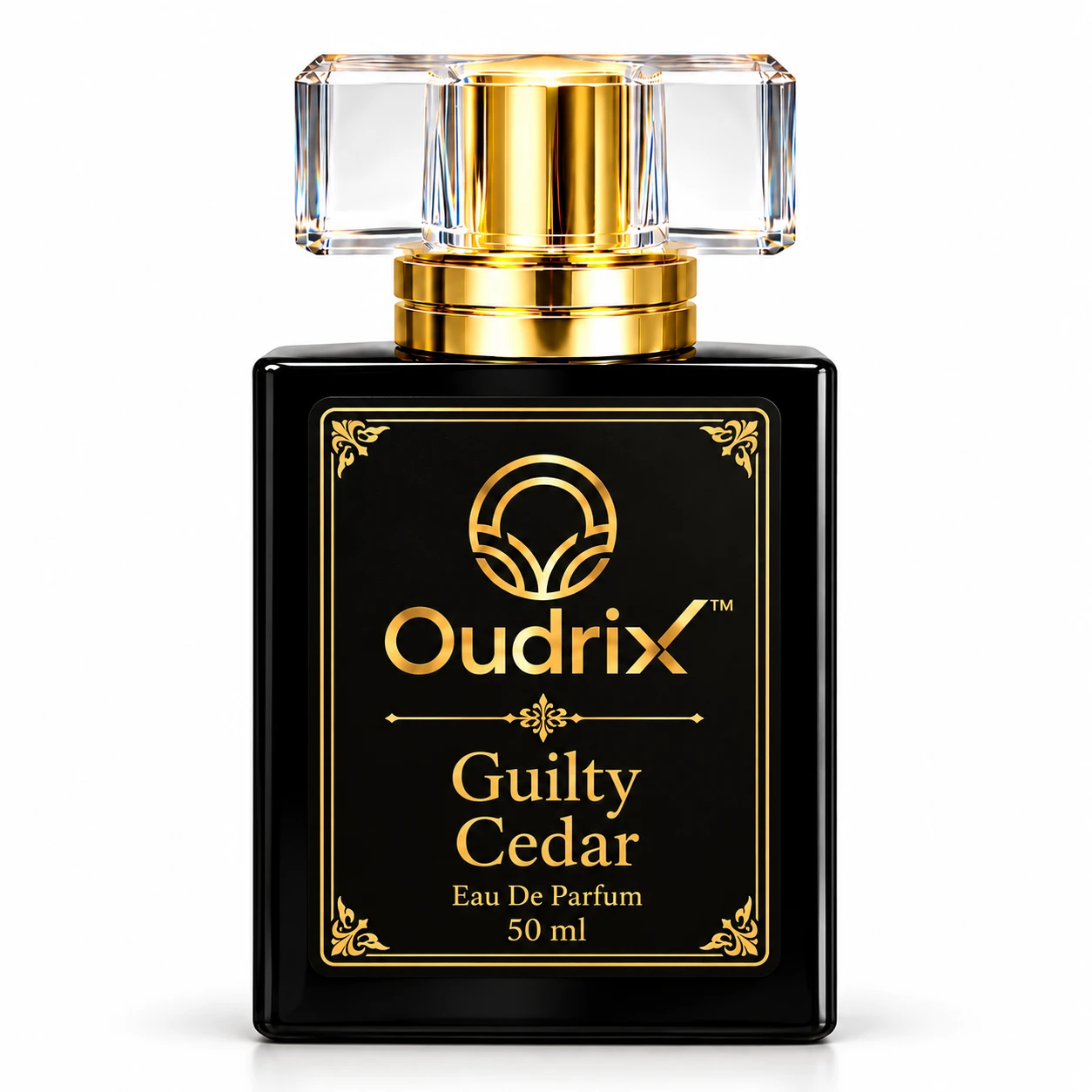
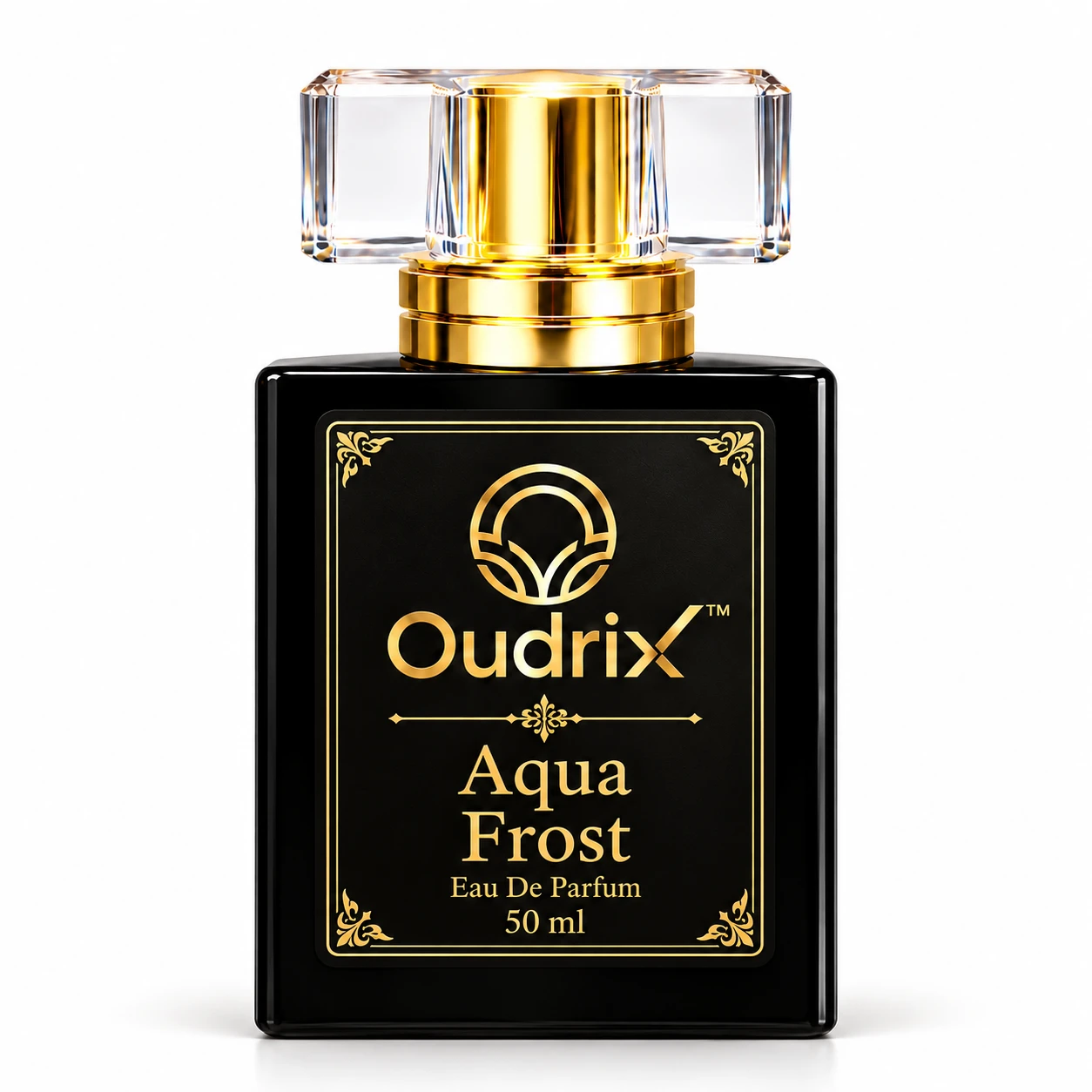
Citrus perfumes: look beyond the first fresh impression
Understand citrus notes, their companion scents and the changing opening before choosing a perfume for your everyday Indian routine.
Oudrix Editorial · · 3 min read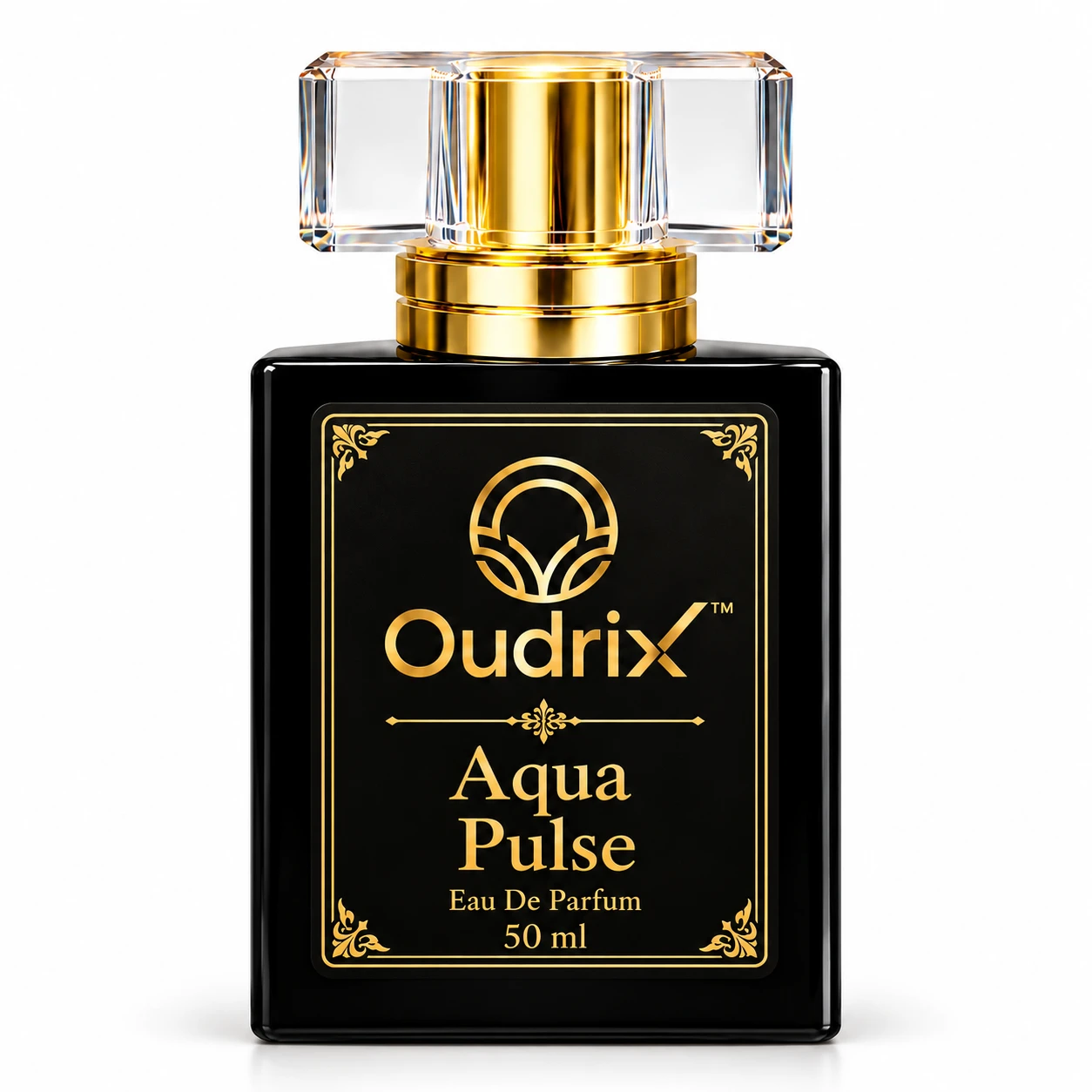
What does citrus mean in a perfume?
Think of the impression of a freshly opened citrus peel rather than the taste of fruit juice. In fragrance descriptions, lemon, bergamot, orange, grapefruit and mandarin can signal this direction. The Perfume Society places citrus within its fresh fragrance group. These words help you identify a character you may enjoy; they do not tell you everything about the bottle.
For an Indian shopper browsing online, the useful question is more specific than “Is this fresh?” Ask whether you want a sharp, dry impression, a softer fruit character or citrus paired with something warmer. Treat those preferences as your shopping brief. A blue bottle, a summer photograph or a name suggesting water is not enough to establish a citrus composition.
Read what accompanies the citrus
Two perfumes can mention citrus and still offer quite different experiences. Hermès describes Eau de citron noir as citrus woody, pairing lemon with black tea and smoky guaiac wood. Guerlain describes Bergamote Calabria around bergamot with spices, petitgrain lemon and white musks. These are examples from the respective makers, not descriptions of Oudrix formulas or suggestions that another perfume duplicates them.
The shopping lesson is to read beyond the first familiar note. If you enjoy a drier character, look carefully at descriptions mentioning woods or tea. If you prefer a softer direction, compare descriptions that include musk or floral elements. These are starting points for a shortlist, not guarantees about how every combination will smell to you.
An opening is not the whole experience
The Perfume Society explains that citrus notes are volatile and may fade quickly. That does not establish a fixed wear time for an entire perfume. A composition can continue with a different character after its citrus impression becomes less prominent. Judging the complete fragrance only by whether the first bright moment remains unchanged can therefore miss what follows.
When trying a scent, record two separate impressions: what you enjoy initially and what you enjoy later. You might like the opening yet find the subsequent character less appealing, or discover that the quieter stage is your favourite. Our existing perfume-testing guide explains the practical process; here, the aim is to understand what you are comparing.
Choose for your actual Indian routine
A day might include a warm journey, an air-conditioned office and an evening outside. Rather than assuming a citrus label makes a perfume right for every part of that day, decide which setting matters most to your purchase. Try to evaluate the fragrance during a representative routine when you have an appropriate sample.
An enjoyable sense of freshness is a scent preference. It is not evidence that a perfume physically cools you, prevents sweating or performs for a guaranteed number of hours in Indian weather. You can choose a bright character for a daytime routine or wear it in the evening if you prefer it; a fragrance family does not impose a timetable.
Make your shortlist easier to compare
Write down the exact product name, the advertised citrus notes and the accompanying character. Add a simple personal observation such as “enjoyed the opening, preferred the later woody impression.” That is more useful for your next purchase than a broad label alone.
Before ordering, check the bottle size, current price and final product information. A fragrance-note list describes scent and should not be treated as a complete ingredient list. Where a detail matters and is missing, ask the seller rather than filling the gap yourself. Choose the perfume whose complete experience you enjoy, with citrus as a helpful starting point.
Find your own fragrance story
Explore fragrance families and discover a profile you enjoy.
Find your scent → Explore fragrances