How to test perfume before buying: blotter, skin and time
Use paper to shortlist, skin to decide and a simple note-taking routine to compare fragrances without rushing your purchase.
Oudrix Editorial · · 4 min read
Begin with the exact perfume
Before testing, note the complete name and concentration printed on the bottle or product page. Eau de Parfum and Eau de Toilette versions with similar names may not be identical choices. Keeping the exact format and size in your phone prevents confusion later, particularly when you compare an in-store tester with an online listing.
Start the session without another perfume already on your wrists. A scented hand cream, soap or nearby room fragrance can also make comparison harder. If you are testing at a counter, ask for a labelled blotter rather than relying on memory. The Perfume Society specifically recommends writing the fragrance name on the strip.
Use blotters to make a shortlist
A blotter is useful for a first impression because it lets you compare fragrances without applying every option to your body. Spray one fragrance on each labelled strip and keep the strips separate. Give the initial alcohol impression a moment to settle before deciding whether you want to continue with it.
Paper is a screening tool, not the final answer. The Perfume Society describes blotters as useful for eliminating options and narrowing the selection, while advising shoppers to experience a fragrance on their own skin before purchasing. Its guidance recommends limiting the shortlist to no more than three scents for body testing.
For an Indian shopper visiting a busy mall counter, restraint is especially useful: a scented retail environment can make a large comparison session confusing. Shortlist a small number, step away from the counter if practical and return to the strips later. Do not treat coffee beans as a requirement; a pause and neutral air are simpler ways to reset the session.
Test the finalist on clean skin
Once one or two options stand out, follow the product's application directions and test the finalists on separate areas of clean, unscented skin. The Perfume Society suggests one fragrance on each wrist when comparing two, and warns against testing more than three on the body at once. Write down which scent went where.
Do not judge only from the first spray. Fragrance changes as its more volatile opening gives way to the heart and base. Revisit the scent after leaving the counter and notice whether you still enjoy it in your normal surroundings. A blotter can show how a composition develops on paper, but it cannot replace your personal experience of wearing it.
If you have sensitive skin, a known allergy or any concern about a product, read its label and ingredient information and follow the manufacturer's precautions. Stop using it if irritation occurs and seek appropriate medical advice when needed. A shopping guide cannot determine whether a particular formula is suitable for you.
Compare the experience, not a stopwatch
A useful test asks several questions: Do you enjoy the opening? Does the later character still feel like you? Is it comfortable for the setting in which you plan to wear it? Would you choose it again after the excitement of the counter has passed?
Avoid turning a personal test into an unsupported longevity claim. Wear can vary with the composition, application and individual experience. Record the time only as a note for your own comparison, not as proof that every bottle or wearer will receive the same result.
Use a sample when the decision is close
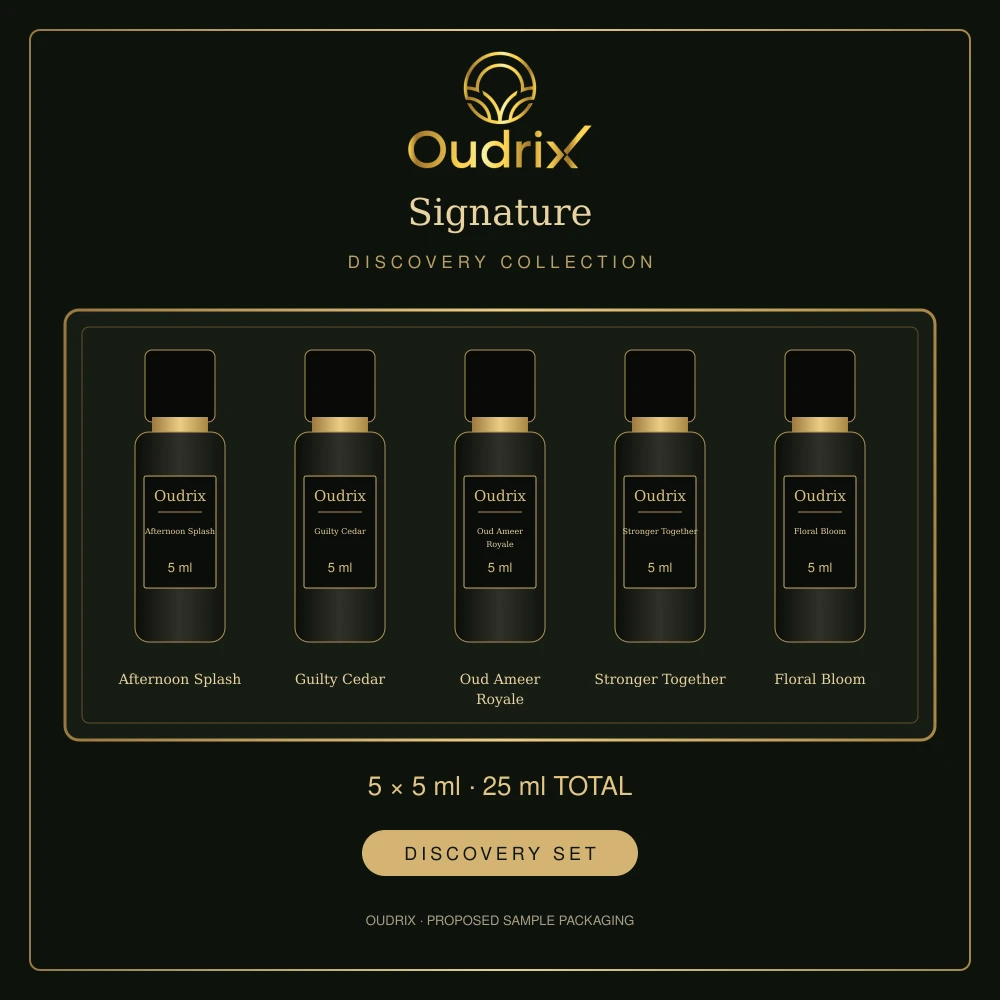
If an authorised sample or discovery format is available, it can help you test the fragrance during an ordinary day rather than under retail pressure. Confirm exactly what the sample contains and follow its directions. Test on another day if the first session was crowded, rushed or affected by competing scents.
Before buying a full bottle, check the exact product, quantity, seller and applicable return terms. The best decision is not the fastest one: paper helps you shortlist, skin helps you understand the finalist, and time helps you decide whether the fragrance belongs in your routine.
Find your own fragrance story
Explore fragrance families and discover a profile you enjoy.
Find your scent → Explore fragrances