What Is a Gourmand Perfume? A Practical Guide
A gourmand perfume uses edible-style scent ideas such as vanilla, caramel, coffee or pastry, often balanced with woods, amber, musk, florals or spice.
Oudrix Editorial · · 5 min read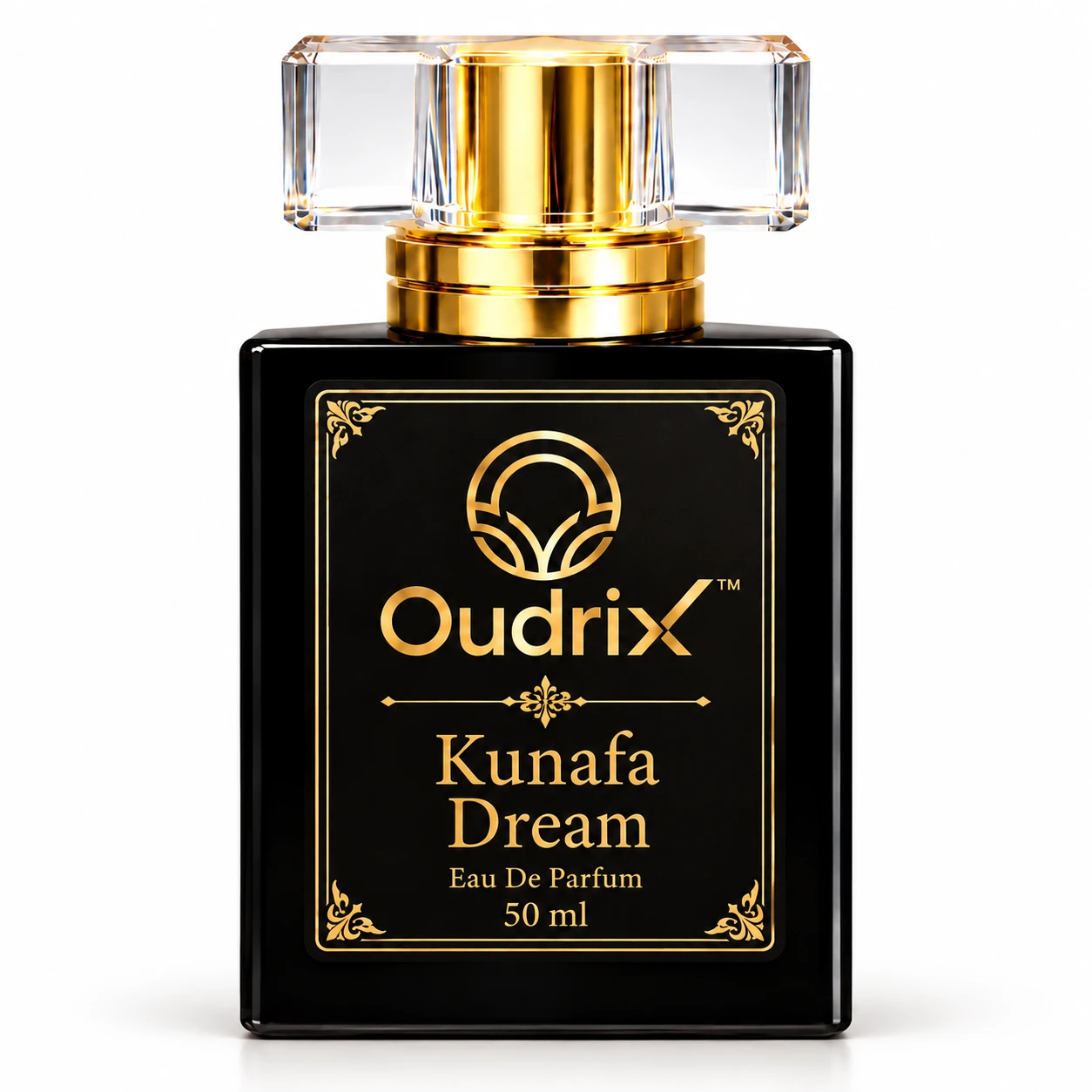
A gourmand perfume is a fragrance built around edible-style scent ideas such as vanilla, caramel, chocolate, coffee, honey, nuts or pastry. It does not contain food for eating, and it does not have to smell like pure sugar. Many gourmand compositions balance their sweeter impression with woods, amber, musk, florals, spice or bitter facets. Choose one by reading the complete note structure and testing the exact perfume, not by trusting the word “gourmand” alone.
Gourmand describes an impression, not an ingredient list
Carolina Herrera's fragrance guide describes gourmand perfumes as scents built around edible notes including vanilla, caramel, chocolate, praline, coffee, honey and almond. Its own examples show those ideas balanced with woods, amber or musk. Guerlain's Fève Gourmande provides a product-specific example: a cocoa accord with chocolate-like sweet and bitter facets is placed alongside rose, rum, spice, patchouli and smoky tea.
These examples explain how the family can be constructed; they do not prove that every gourmand contains the same materials. A perfume note is an olfactory description or accord, not a complete formula. If ingredients or allergens matter to you, read the physical pack and contact the brand rather than treating “vanilla,” “pastry” or “pistachio” in a note list as an ingredient declaration. The perfume notes guide explains this difference in more detail.
Not every gourmand perfume is equally sweet
Start by asking what kind of edible impression you enjoy. A creamy gourmand may emphasise vanilla, milk-like or soft nutty ideas. A toasted style may suggest coffee, cocoa, caramelised sugar or roasted nuts. A fruity gourmand can combine dessert-like sweetness with fruit, while a floral or woody gourmand uses petals, sandalwood, patchouli or other supporting directions to shape the result.
Carolina Herrera's guide notes that some gourmands feel creamy, toasty or warm rather than simply sugary. That is a useful shopping distinction, but the label still cannot tell you how intense or sweet the perfume will feel to you. Compare the full note list and let the opening settle before deciding.
Use a three-part shortlist
First, choose the edible direction: vanilla, caramel, cocoa, coffee, honey, nutty or pastry-like. Second, choose the balancing direction: fresh, floral, woody, amber, musky or spicy. Third, decide where you expect to wear it: a close shared space, an outdoor event, an evening gathering or an everyday routine.
For example, someone curious about dessert-like notes but worried about too much sweetness might shortlist a gourmand with a clear woody or floral counterpoint. Someone who already enjoys caramel and vanilla could compare how different perfumes handle those notes after the opening. These are decision examples, not claims that one style belongs to a particular gender, season or personality.
The Oudrix Sweet & Gourmand collection is a practical place to compare current product descriptions. Recheck each listing because category placement and availability can change.
Read an Oudrix example without overclaiming it
The current Oudrix source identifies Kunafa Dream as a 50 ml Eau de Parfum in the Sweet & Gourmand family. Its listed notes are pistachio, saffron and a buttery pastry accord; cream, rose, caramel and honey; then vanilla, amber, musk and sandalwood. That structure shows an edible-style centre with floral, amber, musky and woody support.
It does not establish that the perfume contains edible pistachio, pastry, cream or honey. It also does not guarantee sweetness level, projection, longevity, compliments or suitability for a specific person. Oudrix has not published verified performance testing for the final product, so wear-testing remains the useful next step.
Test for the setting you actually have
Diptyque's official selection guidance recommends trying fragrance on skin and testing it as you would normally wear it so you can follow its evolution and trail. Begin with a blotter if you are comparing several options, then move one finalist to skin where its label permits. The Oudrix perfume-testing guide gives a blotter-to-skin sequence and a simple decision log.
For an Indian commute, office, classroom or family function, test the perfume in a comparable routine rather than assuming a “warm” or “cozy” description makes it suitable everywhere. Shared spaces call for considerate application. Hot weather may change your experience of a fragrance, but this guide does not prescribe a universal spray count or claim that every gourmand performs the same way in heat.
Frequently asked questions
## Is vanilla perfume always gourmand? No. Vanilla can appear in amber, floral, woody and other styles. Read the whole composition and ask whether the dominant impression is edible or dessert-like.
Are gourmand perfumes only for women?
No. Fragrance-family labels describe scent structure, not who is allowed to wear it. Choose by preference and test the exact perfume.
Does gourmand mean very strong or long-lasting?
No. A family name does not verify concentration, projection or longevity. Compare the actual formula, concentration label and your own wear test.
Can I wear a gourmand perfume in warm Indian weather?
You can test one in the conditions where you plan to wear it. Start conservatively, consider nearby people and judge the settled scent rather than relying on a seasonal rule.
Is a gourmand note the same as a food ingredient?
No. Notes describe the scent impression. Use the final ingredient list for formula information and allergy-related decisions.
Find your own fragrance story
Explore fragrance families and discover a profile you enjoy.
Find your scent → Explore fragrances