Why Does Perfume Smell Different on Different People?
The same perfume can develop differently on skin, paper and another wearer. Compare one scent under matched conditions before deciding whether it suits you.
Oudrix Editorial · · 5 min read
The same perfume can smell different on two people because skin is not an inert testing surface, application conditions vary and each person perceives odour through their own sense of smell and memory. The useful response is not to guess your “skin chemistry type.” Test the exact perfume on paper and on your own skin under matched conditions, then judge its opening and later development in the routine where you plan to wear it.
Skin can change how a perfume is experienced
A published study indexed by the U.S. National Library of Medicine compared perfume behaviour on skin with a relatively inert surface and found meaningful physical interactions. It also cautioned that the underlying mechanisms were not fully understood; chemical transformation was generally low on clean, dry skin under the study conditions.
That matters because popular explanations often reduce everything to one factor such as skin pH, oily skin or diet. The research does not support using one simple rule to predict how every formula will behave on every wearer. Formula, surface, amount, placement and the surrounding situation can work together.
Diptyque's official fragrance guidance therefore recommends trying a scent on your skin and testing it as you would wear it daily. CHANEL similarly describes skin application as creating a personal effect. Neither point means that the perfume becomes an entirely new formula; it means the balance you notice can differ from the bottle, blotter or another person.
Your nose is also part of the comparison
A difference is not always caused by the wearer's skin. Two people may focus on different facets of the same fragrance because perception and olfactory memory are personal. A friend may immediately notice a woody base while you pay more attention to a bright opening. The perfume notes guide can help you name what is changing without treating top, heart and base notes as a fixed timetable.
There is another trap: habituation. CHANEL explains that a wearer may stop detecting a familiar fragrance while other people can still smell it. If a perfume seems to disappear on you, do not automatically conclude that your skin “ate” it or add more sprays. Ask a trusted person for a neutral check before deciding that performance changed, and describe trail, nearby reach and time separately.
A fair paper-versus-skin comparison
Start with one exact perfume and version. Use a blotter for the first impression, then apply the fragrance to clean, dry, unbroken skin only as the label directs. Keep the amount consistent and do not rub the application point. Avoid wearing another fragrance, strongly scented body product or a layered combination during the comparison.
Write down three observations: what you notice at the opening, what becomes clearer after the scent settles, and what remains later in your normal day. Compare descriptions rather than trying to score an exact “skin chemistry” number. For example: “brighter citrus on paper, softer floral on skin, woody note clearer later” is more useful than “my pH is bad for perfume.”
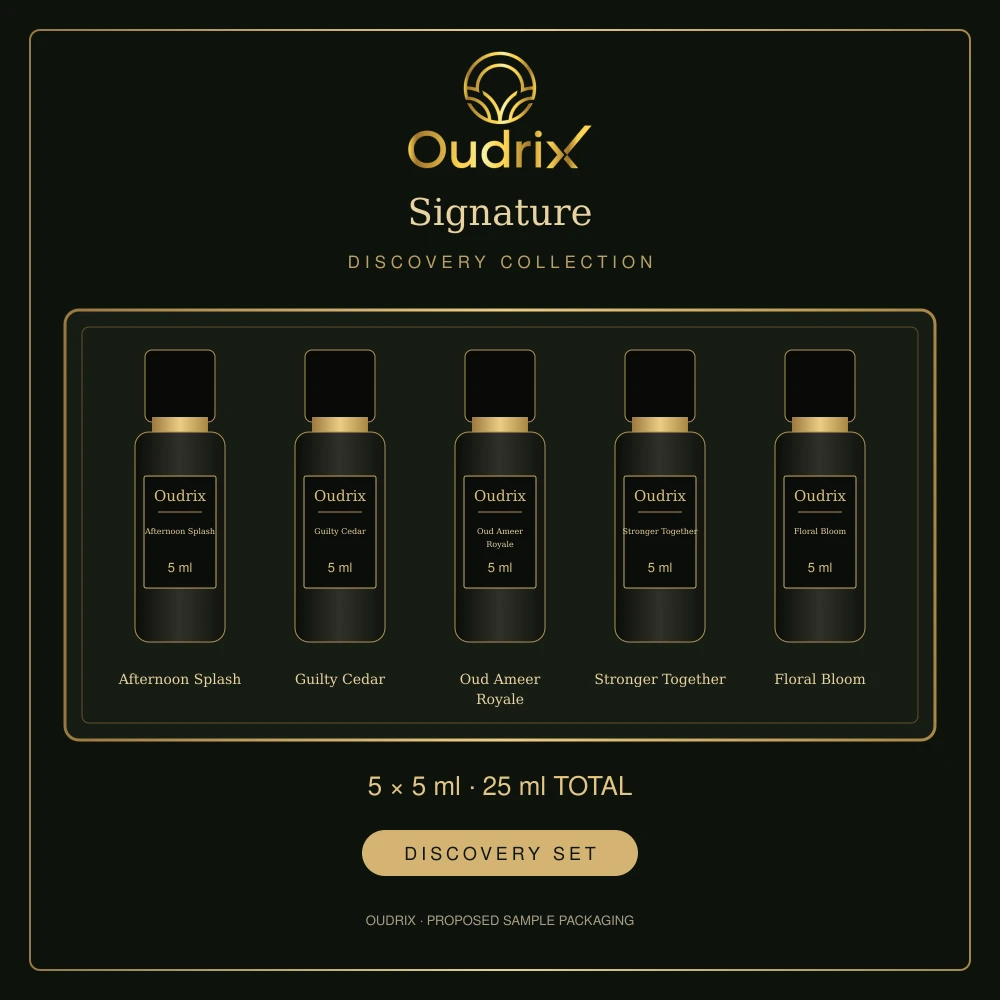
Repeat the wear on another ordinary day before buying a full bottle. A single test after a hot commute, intense exercise or several other samples may not represent your usual routine. The perfume testing guide gives a structured blotter-to-skin method. Oudrix Discovery Sets provide named samples for comparison; check each current listing for the fragrances included and availability.
Decide whether the difference is good, neutral or unwanted
Different does not automatically mean worse. If the later skin impression still feels comfortable and fits your intended setting, it may be the version of the perfume that matters most to you. If one note becomes unpleasant, the scent feels intrusive in a shared space or you keep wishing it smelled exactly like the blotter, do not force the purchase because it suited someone else.
If you prefer a more stable reference, paper is useful for narrowing a shortlist. Clothing can sometimes preserve a different impression, but CHANEL warns that perfume can stain delicate fabrics. Use the skin-versus-clothes guide before experimenting with a special garment. Never spray a store tester onto clothing without permission.
Frequently asked questions
## Does skin pH decide which perfume will suit me? There is no responsible universal pH rule for choosing perfume. Skin-perfume interactions are real, but research says the mechanisms are not fully explained. Test the exact formula on your own skin instead of buying by a supposed pH category.
Why does perfume smell different on paper and skin?
Paper and living skin are different surfaces. They absorb, retain and release fragrance differently, so a blotter is useful for screening but cannot fully predict a skin wear.
Can the same perfume smell different on me on different days?
Yes, the application amount, surface condition, other scented products, setting and your own perception can change the comparison. Match the conditions and repeat the test before drawing a conclusion.
Should I buy a perfume because it smells good on a friend?
Use your friend's fragrance only as a lead. Confirm the exact product and version, then test it on your own skin through its later development before choosing a full bottle.
Find your own fragrance story
Explore fragrance families and discover a profile you enjoy.
Find your scent → Explore fragrances