How to Layer Perfume: A Simple Two-Scent Method
Learn a low-risk way to layer two perfumes: choose one lead scent, add one clear accent and test the combination before wearing it out.
Oudrix Editorial · · 5 min read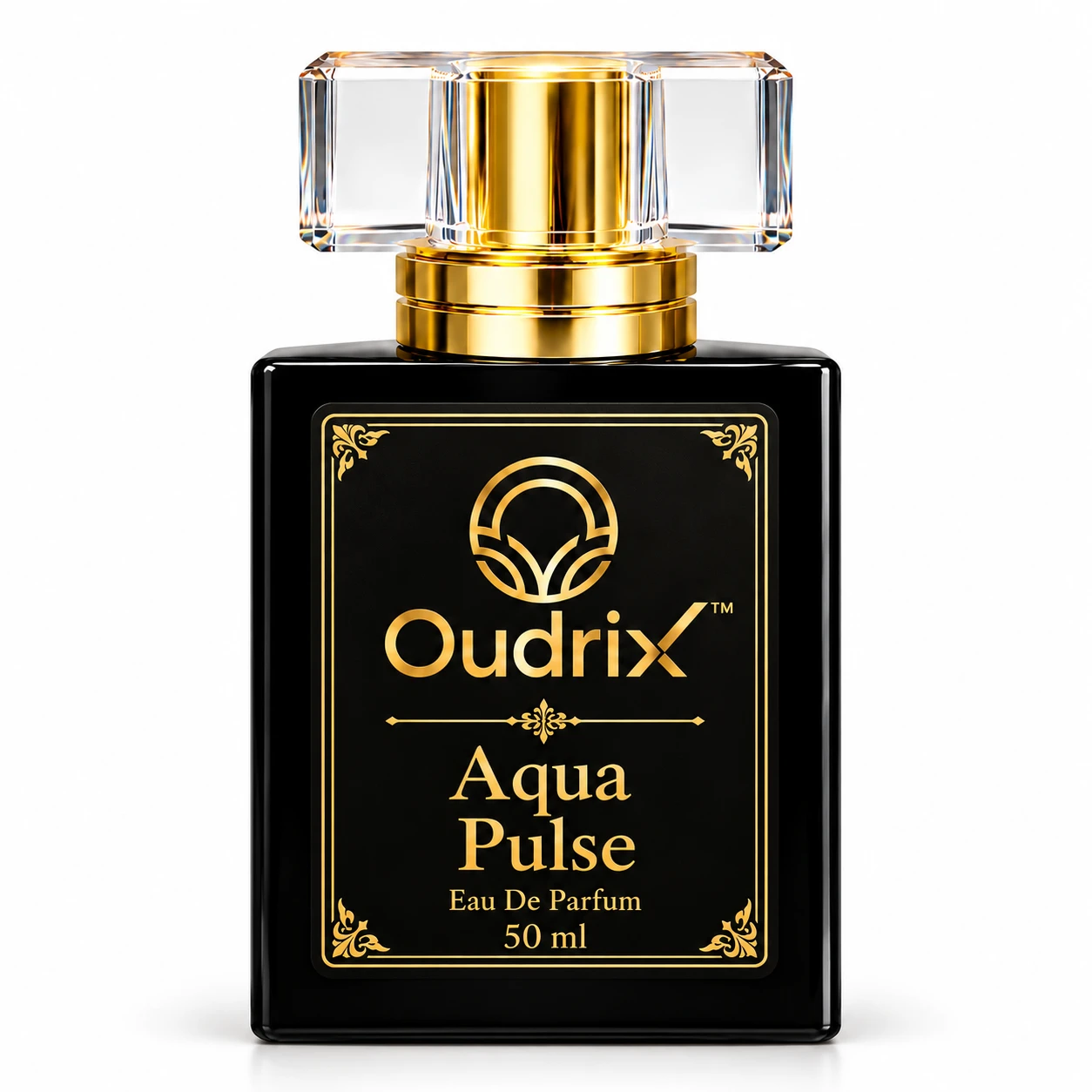
To layer perfume, begin with two fragrances, decide which one should lead, and use the second only to add a clear effect such as freshness, warmth or floral character. Test the pair before an important occasion, keep the total application modest and judge the dry-down—not only the first minute. There is no universal pairing rule or spray count that works for every formula.
Start with a purpose, not two random bottles
Ask what you want to change about a fragrance you already enjoy. Would you like a brighter opening, a warmer finish or a more floral direction? Jo Malone London describes scent pairing as taking a favourite fragrance and adding another to create a personal twist, and recommends starting with two scents. That makes a useful beginner limit: one lead, one accent.
If you cannot describe the job of the second perfume, wear each one alone first. The perfume notes guide will help you translate top, heart and base-note descriptions into a shortlist. Layering is easier to evaluate when you already understand both perfumes separately.
Build the pair by contrast or connection
A connected pairing shares a recognisable direction. For example, a fresh perfume with citrus in its description can be paired experimentally with another fresh or woody profile. A contrasting pairing deliberately changes the mood: a bright profile with a warmer accent, or a floral profile with a woody one. These are ideas to test, not guarantees that two formulas will combine well.
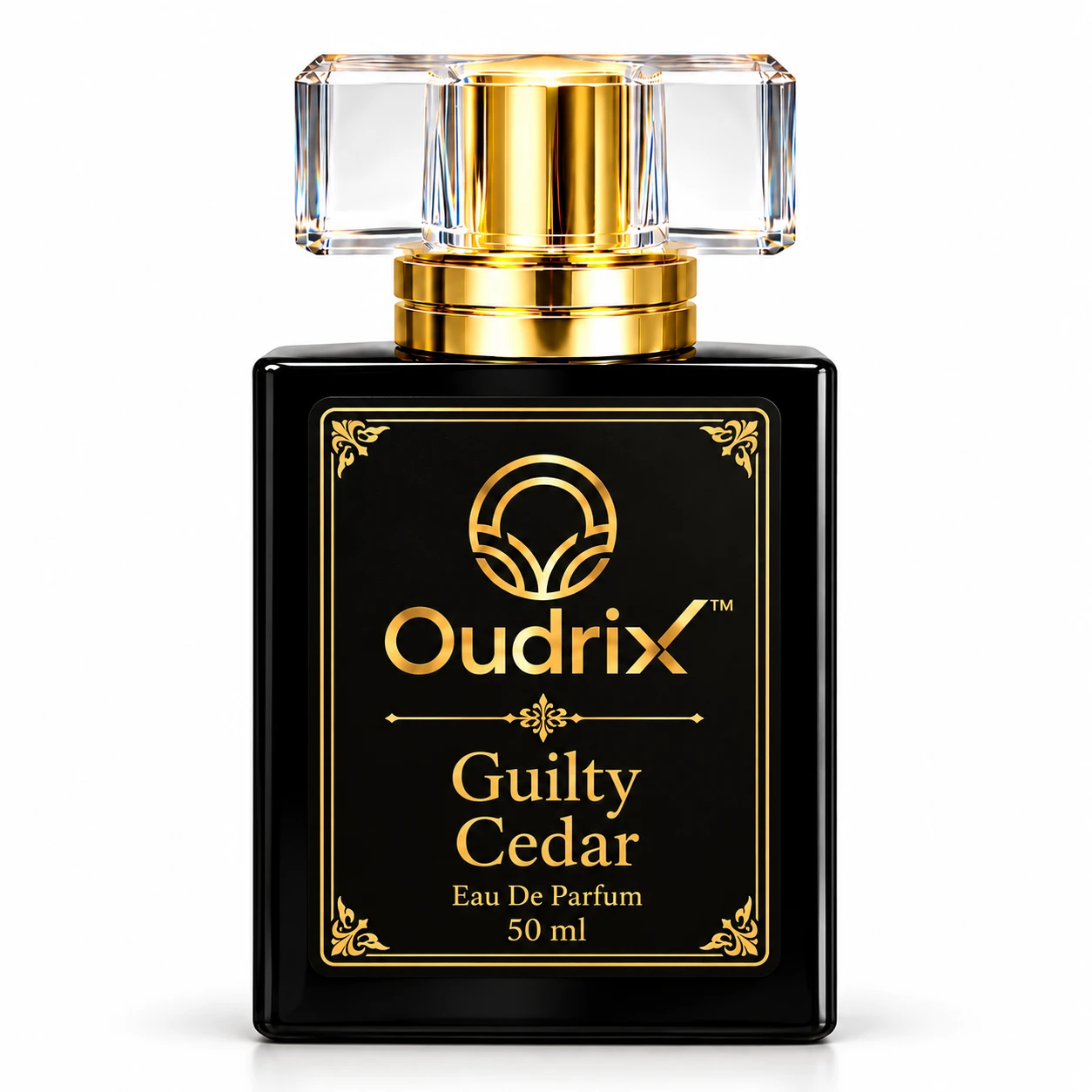
Use Oudrix product descriptions as a factual starting point. Aqua Pulse lists apple, citrus and watery notes, while Guilty Cedar lists lavender, lemon, orange blossom, cedar, patchouli and vanilla. A beginner could compare them separately, then test whether a small amount of the woody profile changes the fresh one in an enjoyable way. This is a suggested experiment based on the listed notes, not a claim that the combination has been laboratory- or wear-tested by Oudrix.
For a sweeter contrast, compare the listed gourmand profile of Kunafa Dream with a fresh sample before combining them. If either scent is already complex or strong to you, choose a quieter accent or stop at one perfume.
Test on blotters before skin
Spray each perfume on its own blotter and label it. Smell them separately, then hold the blotters together at a comfortable distance. This keeps the first comparison reversible and helps you change the balance without covering the same patch of skin repeatedly. If the idea still appeals after the openings settle, repeat the test on skin only where both product labels permit application.
The separate perfume testing guide explains why the opening is not the whole fragrance. Give a layered pair the same patience. If you cannot tell which perfume you dislike, return to the individual blotters rather than adding a third scent.
Choose an order, then keep it consistent
Brand guidance differs because products are designed differently. Jo Malone London's current layering page suggests beginning with a lighter base and building with richer notes; Diptyque describes applying a body lotion or solid perfume before fragrance when using complementary formats. Treat those as guidance for their own products, not a universal law for every bottle.
For two unfamiliar sprays, consistency matters more than pretending there is one correct order. Test A then B on one blotter pair and B then A on another. Keep the amounts and timing similar, label both, and choose the result you prefer. Never mix liquids inside either bottle; layering happens during wear, while the original formulas remain separate.
Keep the total amount appropriate for the setting
Layering two perfumes does not require doubling what you normally wear. Start conservatively and consider shared spaces, especially an office, classroom, public transport or a family gathering. Follow each label and avoid eyes or irritated skin. The perfume application guide covers skin, clothing and spray-amount decisions without inventing a fixed number.
Do not use layering as a promise of all-day performance. A combination may change how a scent is perceived, but this article does not establish a tested longevity or projection result for any Oudrix pair.
A quick decision checklist
Keep the pair if you can identify the lead scent, enjoy the combination after it settles and would willingly wear it in the intended setting. Adjust the accent downward if it hides the perfume you wanted to keep. Separate the fragrances again if the result feels muddled or tiring. Discovery sizes can make experiments less committal; check the named contents and current details in the Oudrix Discovery Sets before choosing.
Frequently asked questions
Can I layer an EDP with an EDT? You can test different formats when both labels permit the intended use, but concentration names do not predict the final balance. Read the EDP vs EDT guide and compare the actual formulas.
Should the stronger perfume go first? Not automatically. Try both orders with the same small, controlled application and judge the settled result. Product-specific brand directions take priority.
Can I layer three perfumes? You can experiment, but two make it easier for a beginner to understand what each scent contributes. Add complexity only after you have a two-scent combination you can evaluate clearly.
Find your own fragrance story
Explore fragrance families and discover a profile you enjoy.
Find your scent → Explore fragrances