Fragrance-Free vs Unscented Deodorant: Read the Label
Fragrance-free and unscented are not interchangeable: an unscented product may still use fragrance to mask another smell, so check the full label before choosing.
Oudrix Editorial · · 5 min read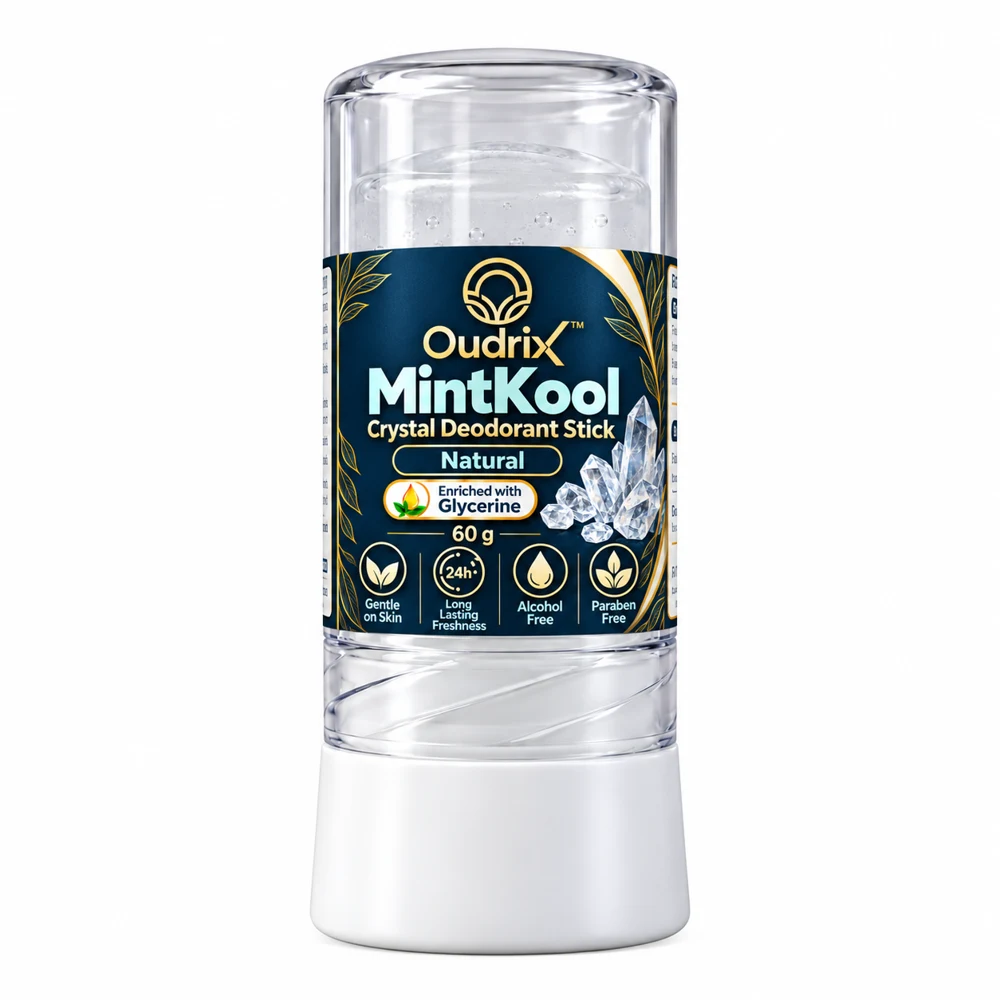
Fragrance-free and unscented deodorant do not necessarily mean the same thing. An unscented product is intended to have no noticeable scent, but it may still contain a fragrance ingredient used to mask another smell. A fragrance-free product should not have fragrance intentionally added for scent, yet the exact regulatory meaning and label rules vary by market. For an Indian purchase, use the physical pack and its complete ingredient declaration—not the front-label phrase alone—to make your decision.
Start with the result you actually need
If your goal is simply to avoid a noticeable perfume, an unscented product may meet that preference. If you are trying to avoid added fragrance because you have reacted before, “fragrance-free” is the more relevant starting phrase, but it is still not a medical guarantee. The American Academy of Dermatology cautions that products labelled unscented can contain ingredients that neutralise or hide other odours, and recommends checking for fragrance-free products when fragrance is a concern.
Neither phrase proves that a deodorant is gentle, hypoallergenic, suitable for sensitive skin or free from every possible irritant. The U.S. FDA notes that some people can react to fragrance ingredients and advises checking the ingredient list and contacting the manufacturer when the label does not answer a concern. That is useful shopping guidance, not a substitute for individual medical advice.
Use a four-step label check in India
First, read the exact wording. “No noticeable scent,” “unscented” and “fragrance-free” answer different questions. Do not mentally upgrade one claim into another.
Second, find the ingredient declaration on the pack. India’s Cosmetics Rules 2020 require ingredients above one percent to be listed in descending order, followed by ingredients at or below one percent in any order, with a limited exemption for small packs. A 60 g solid is above the rule’s 30 g solid-pack exemption, so its pack should carry the required declaration. Check the actual retail pack because website copy can be incomplete or superseded.
Third, look for broad fragrance terms such as fragrance, perfume or parfum, while recognising that a shopper may not be able to identify every scent-related component by name. If the front claim and ingredient panel seem inconsistent, photograph both and ask the seller or manufacturer for a written explanation. Do not guess from colour, botanical words or another brand’s formula.
Fourth, follow the directions and warnings. If fragrance has caused a previous reaction, or if you have eczema or contact dermatitis, ask a dermatologist which ingredients you should avoid. The small-area use-check guide explains why a cautious home check cannot diagnose or rule out an allergy.
What MintKool variant names do—and do not—tell you
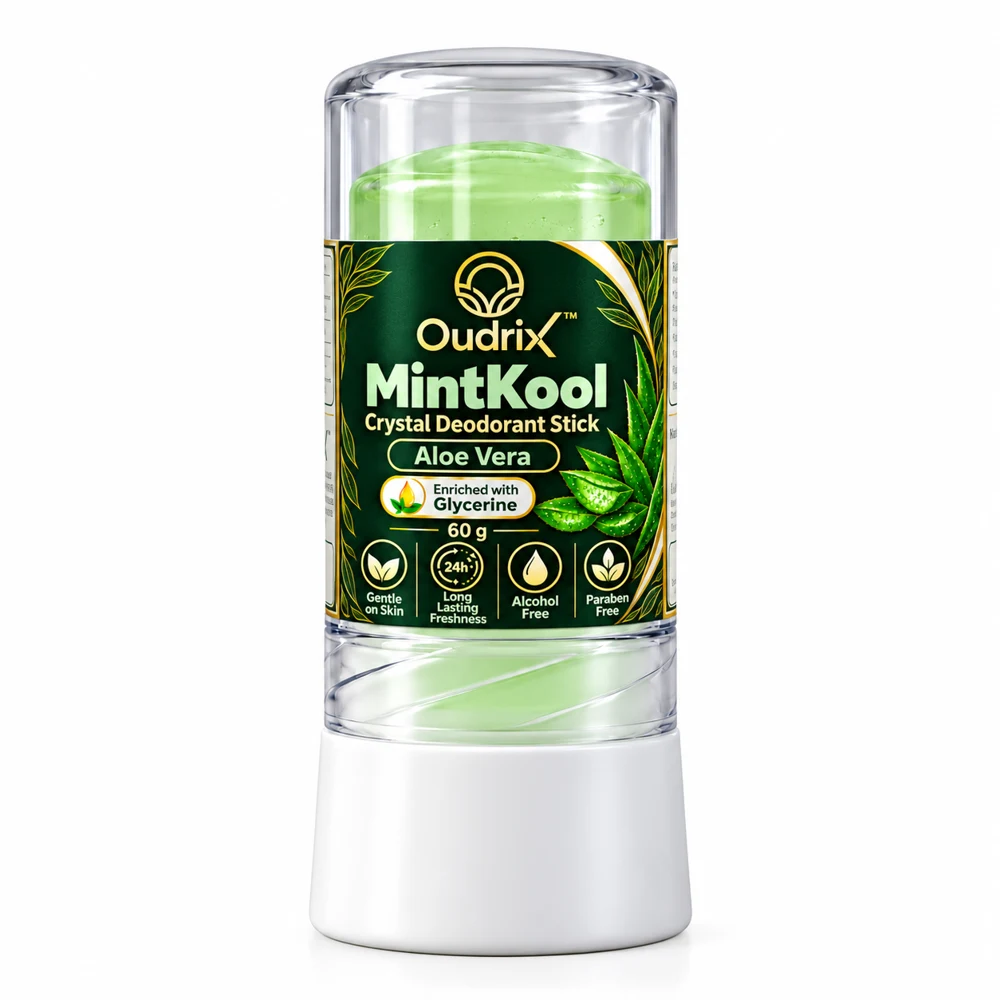
The current Oudrix source identifies MintKool Natural Crystal Deodorant Stick as a 60 g solid underarm deodorant. “Natural” is its variant name; it does not confirm that the product is fragrance-free, unscented, organic, hypoallergenic or suitable for sensitive skin. The same rule applies to MintKool Rose, Aloe Vera, Turmeric and Charcoal: a name is not an ingredient list or a performance claim.
Compare the current MintKool crystal deodorant collection, then check the final pack for each shortlisted variant. If fragrance status is important and no clear ingredient panel or written claim is available, pause the purchase and contact Oudrix support rather than inferring the answer. The broader deodorant label guide provides a checklist for directions, warnings, manufacturer details, batch information and net content.
A practical choice example
Suppose Shopper A dislikes a perfumed smell but has no known fragrance reaction. They can compare products labelled unscented and fragrance-free, read both ingredient panels and choose according to scent preference and directions. Shopper B has previously developed an itchy underarm rash after a fragranced cosmetic. They should not treat “unscented,” “natural” or “for sensitive skin” as proof of suitability; they should keep the old product label if possible and seek individual advice before trying another formula.
This distinction keeps the decision evidence-based: one shopper is choosing a scent experience, while the other is managing a possible ingredient concern. The front of the pack alone cannot answer both needs.
Frequently asked questions
## Does unscented mean no fragrance ingredients? Not necessarily. Authoritative dermatology and FDA guidance both note that unscented products may use fragrance ingredients to mask another smell. Read the full ingredient declaration.
Does fragrance-free mean the product has no smell?
No. Ingredients can have their own natural odour even when no fragrance is added to create or mask a scent.
Is MintKool Natural fragrance-free?
The current Oudrix source does not verify that claim. “Natural” is a variant name, so check the 60 g pack’s ingredient declaration or request confirmation.
Is fragrance-free automatically safe for sensitive skin?
No. It addresses fragrance, not every possible cause of irritation or allergy. Follow the label and seek professional advice for a known skin condition or previous reaction.
Find your own fragrance story
Explore fragrance families and discover a profile you enjoy.
Find your scent → Explore fragrances